


Being a parent of a child with SEND can be both rewarding and challenging. Certainly, there is a lot of information to gather and learn, options to consider, and emotions to process. Understandably, you may feel overwhelmed by it all. As one of our SEND Parent Mentors describes “SEND parents must often feel like a deer in the headlights with a huge weight on their shoulders at an incredibly emotional and difficult time”.
With this in mind, our charity has made a series of resources to support you on your journey. Throughout, we have listened to the experiences of parents who have ‘been there’. You are not alone. Remember, there are many parents in Bedfordshire who share your journey.
Here, we outline what SEND means, and offer suggestions if you suspect your child has SEND.
What Is SEND?
SEND stands for Special Educational Needs or Disabilities. It refers to the difficulties or disabilities that impact a child’s ability to learn compared to most children of the same age. Importantly, a child does not need to be diagnosed with a condition to have SEND. However, difficulties or disabilities could be due to a wide range of underlying conditions. For example, autism, ADHD, dyslexia, visual or hearing impairment, and Down syndrome.
SEND can impact a child’s educational experience, including socialisation, communication, learning, attention, and access. As such, it is important to identify children with SEND. Moreover, understanding a child’s additional needs means support can be provided.
It is worthwhile noting that SEN and SEND are not the same but are often used interchangeably. Indeed, children may have special educational needs but not have a disability (SEN). In addition, children may be SEN for a period of time or for the duration of their education.
Neurodiversity
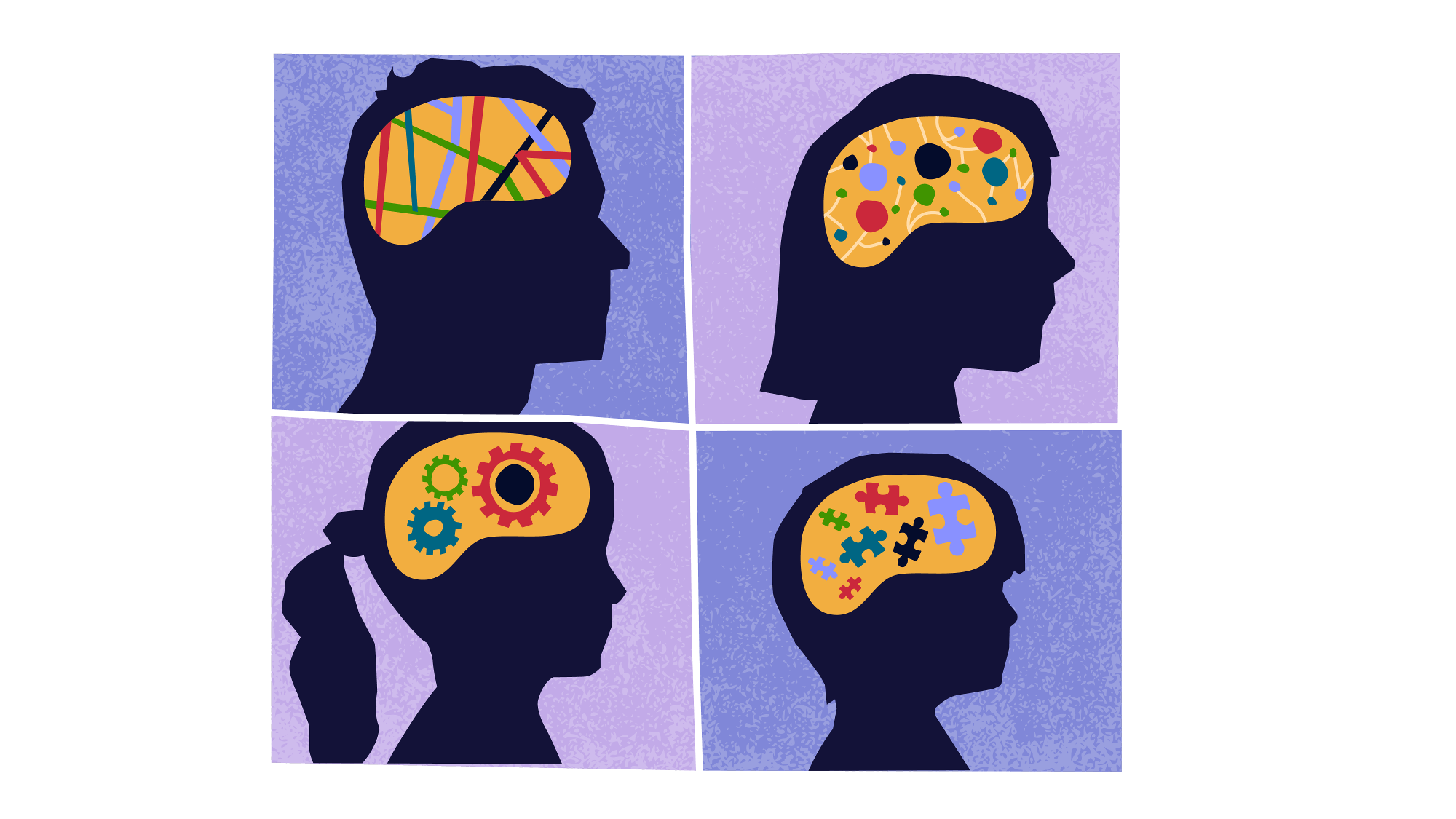
No child is the same, every child is different. Yet, some children are neurodiverse. This means they have significant differences in brain function compared to most of the population. For instance, autism and ADHD are neurodiverse conditions.
Neurodiverse children often have strengths and weaknesses in their learning, emotional and social development. Whereas a neurotypical child may appear more balanced; a neurodiverse child may excel in some areas but fall behind their peers in others. Nevertheless, not all neurodiverse children have SEND. In other words, not all neurodiverse children experience difficulties or disabilities in their education.
It is important to remember that your child is unique. Certainly, children develop in different ways at different paces. Likewise, sometimes differences resolve themselves. However, if you believe your child experiences difficulties or disabilities that impact their educational experience, they may have SEND.
Diagnosis
A child does not need to be diagnosed with a condition to have SEND. Nevertheless, receiving a diagnosis from a professional assessment can be helpful for you and your child. For example, an autism diagnosis can help focus options for support.
The assessment process will vary depending on the suspected condition. Equally, waiting lists can be long, and many children will not fit the criteria for a diagnosis.
In practice, a child’s SEND needs may not relate to a diagnosis. After all, every child is unique as are their challenges. That’s why it’s most important to understand their challenges so support can be provided.
I Think My Child Has SEND
For some children, it is more obvious that they have SEND than others. Moreover, some children exhibit clear signs of differences and difficulties in areas like socialising or learning to read in their early years. In comparison, for other children, difficulties may become clearer later on. For instance, a new activity, new lessons, and starting a new school can make difficulties more apparent.
If you have concerns that your child might have SEND, there are signs to look for. These include difficulty following instructions, struggling to make friends, or lagging behind in reaching developmental milestones. Likewise, it can help to categorise the areas where your child may need support both at home and in their education:
- Communication – Difficulties with communication. Problems with reading and writing.
- Behaviour and emotions – Repetitive behaviours. Ability to socialise and make friends. Inappropriate emotional reactions.
- Sensory needs – Overly sensitive to stimulation from touch, sound, and sight in their environment.
- Physical disabilities – Needing help with tasks.
- Learning – Ability to understand, difficulty learning new things, remembering basic skills, trouble paying attention.
The SNAP Parent Carer Forum recommend keeping a chronological record of your observations (and comments you receive from others) including dates and places. This record will be useful in determining where and how your child could benefit from support.
Remember, there is no need to wait for clear evidence or a diagnosis. Surely, you know your child better than anyone. If you have concerns, it’s best to trust your intuition and speak to someone. This includes medical professionals such as a GP or health visitor. Importantly, talk with your child’s teacher and compare your observations.

Useful To Know
Acronyms. The SEND journey is full of acronyms. As a SEND Parent Mentor puts it; “the sheer number of acronyms and lengthy materials produced by different teams can be overwhelming or even impossible to process and utilise.” Fortunately, the Central Bedfordshire Local Offer have a jargon buster covering commonly used terms.
Local Offer. All local authorities have a Local Offer for children and young people with special educational needs or disabilities. It is a useful resource for families, providing information about what support services the local authority knows about in their area.
SENDIASS (Special Educational Needs and Disability Information, Advice and Support Service). SENDIASS is a statutory service provided by but working at arm’s length from your Local Authority. It offers free, impartial, advice and support for young people with SEND and their parents and carers.
Our Services
SEND Parent Mentors – Our trained mentors, who have experience parenting children with SEND, offer one-to-one support to local parents with children with additional needs (a diagnosis is not needed). Support is free, confidential and will be tailored to your needs.
ADHD and Autism – Our online courses, Being a Parent of a Child with ADHD and Being a Parent of an Autistic Child, are free for local parents and carers of children with these conditions. Your child does not need to have received a diagnosis.