
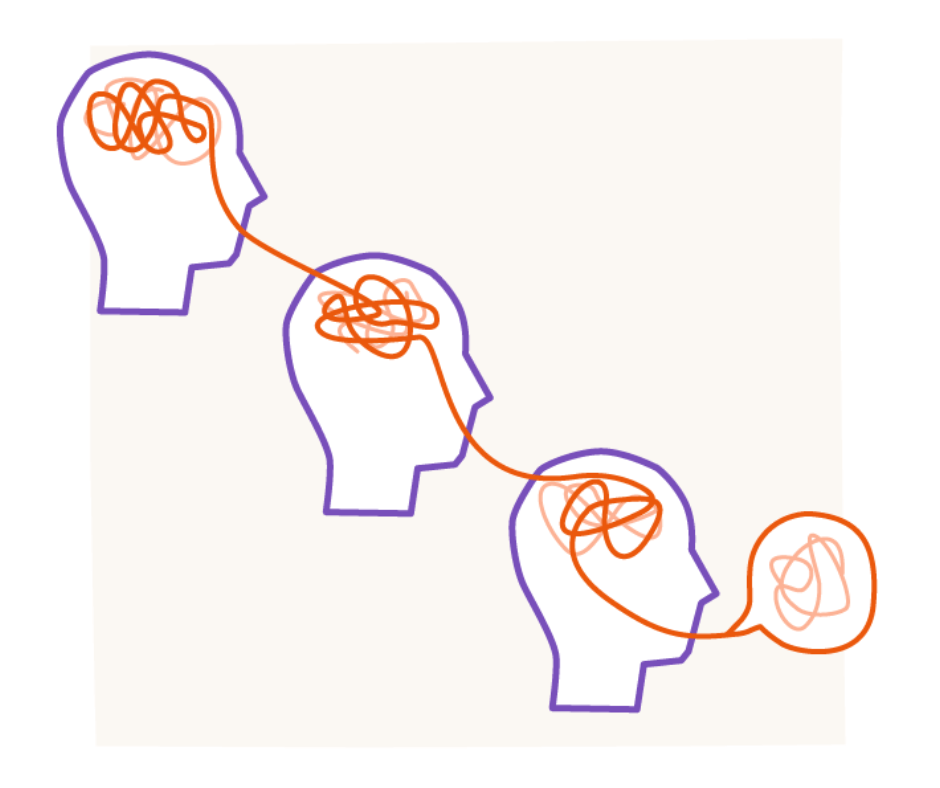
Our latest awareness campaign centres on a difficult conversation. But it needs to be had. Talking about domestic abuse during pregnancy is fundamentally upsetting. There’s an emotional reflex to ‘look away’, I can feel it too. The idea of someone harming a pregnant woman seems unimaginable. Yet, for too many women, it is reality.
Domestic abuse is secretive, often occurring behind closed doors. It is also widely considered to be underreported. Even so, according to Refuge, “1 in 3 pregnant women experience domestic abuse”. SafeLives also states that around “30% of domestic abuse begins during pregnancy, while 40 to 60% of women experiencing domestic abuse are abused during pregnancy”. These statistics reflect the sometimes harrowing stories I’ve heard from survivors of domestic abuse using our services.
As a society, we know this is a problem. In maternity wards throughout England, it is routine to ask questions about potential domestic abuse. So, why does this feel like a taboo subject? While legal frameworks like the Domestic Abuse Act have improved our laws, perhaps public conversation still struggles with the following:
- Misunderstanding of ‘domestic abuse’ – the term covers multiple forms of abuse. All can be harmful to parents and children. This includes coercive control, which we highlight in our campaign. Coercive control is a crime under the Serious Crime Act 2015 (Section 76). However, it is complex and less easy to understand (and so empathise with) than physical abuse.
- Victim blaming – a lack of understanding of the impact of domestic abuse can lead to victim blaming. Myths like ‘if things were that bad, they’d just leave’ place responsibility on the victim. This is wrong. The responsibility is on the abuser and the harm they commit. There should never be a situation where a victim feels silence is safer than seeking help.
- It wouldn’t happen to me. What can I even do about it anyway? – Domestic abuse is common. You, your relative, or your friend could fall into an abusive relationship. In Luton alone, approximately 14,000 people experienced domestic abuse last year. Awareness is an antidote to secrecy and the first step in prevention. But awareness requires us to stop looking away. Conversation only works if we are willing to listen.
Home-Start Bedfordshire exists to empower local parents to give children the best start in life. Parents and children are at their most vulnerable during and soon after pregnancy. That’s why we are raising awareness with our MUMS the word campaign. Let’s have the conversation today, so a mother and her child can have a safer tomorrow. It becomes easier the more voices join in. You can help by taking a moment to see the materials and sharing them on your social media. If you feel manipulated, undermined, monitored, or scared, don’t be silent; get support.
– Linda Johnson, Chief Executive.