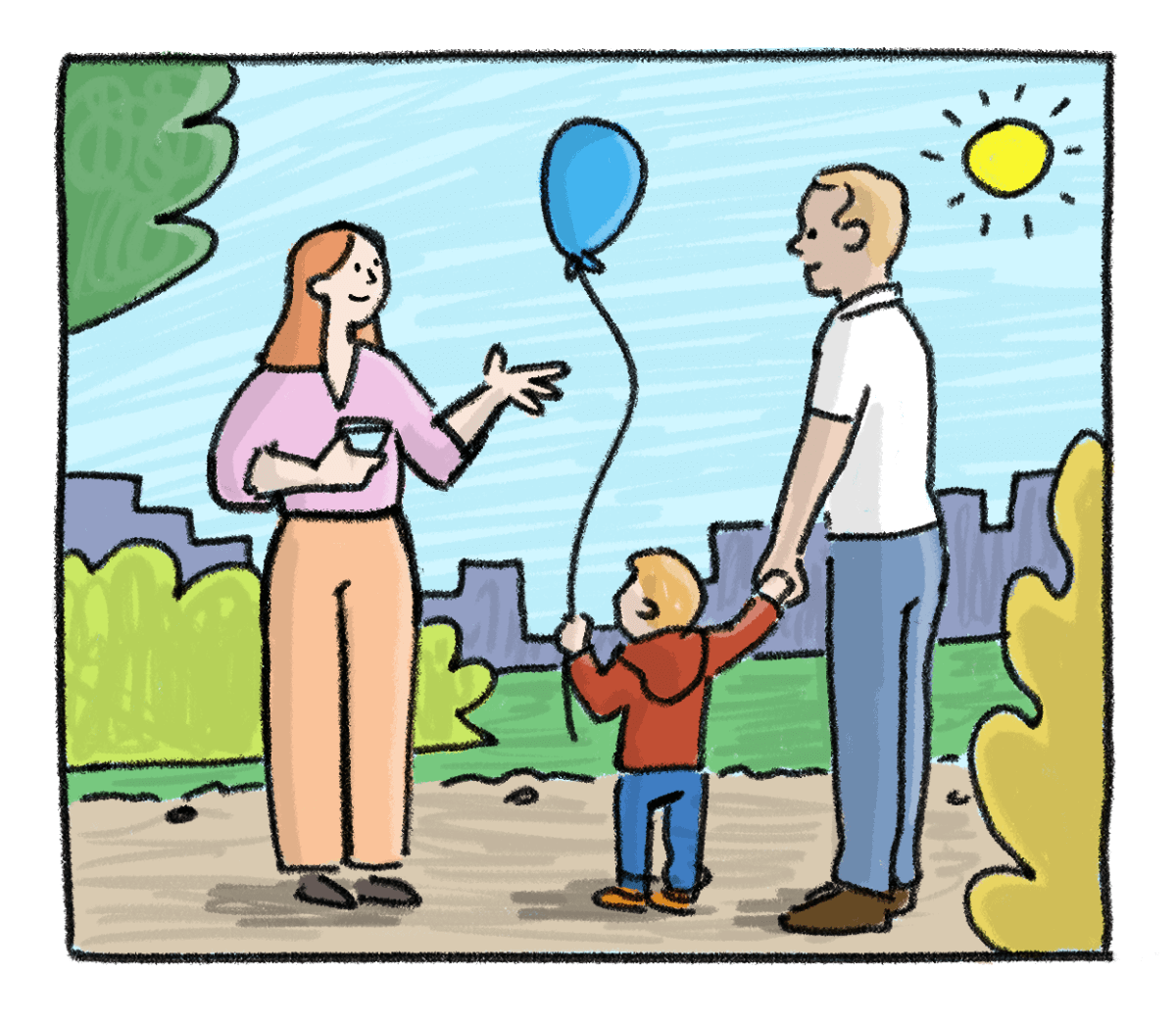
It’s normal to disagree and argue with your partner or co-parent sometimes. Being a parent isn’t always easy, and relationships can be challenging. Naturally, you’ll have parenting disagreements, and they can be healthy and constructive when you work together to resolve them.
However, if you find you’re having frequent and intense arguments that go unresolved, you can end up with an unhealthy family atmosphere. Signs can include:
- A lack of resolution
- The ‘silent treatment’
- A lack of mutual respect.
Not Domestic Abuse
Disagreements/arguments between parents are not the same as abuse. Domestic abuse uses power and fear; it is unacceptable and dangerous. If you think you are suffering from abuse, you should seek help.
An Unhealthy Atmosphere
We all want the best for our children and do our best to shield them. So it’s important we recognise that continued unhealthy disagreements can significantly harm them. An unhealthy atmosphere can impact their physical and mental health, behaviour, relationships, and performance at school. Issues can even follow them into adulthood and affect their future success.
It’s easy to believe that if we don’t argue in front of our children, it’s fine. Yet, children can walk in on arguments, overhear heated discussions, feel the tension, or notice that we are upset. If your child seems affected by an argument, you can:
- Tell your child everything is okay and give reassurance.
- Let them know it had nothing to do with them and wasn’t their fault.
- Explain that parents sometimes disagree, and it’s up to you to work things out together.
- Answer any questions they may have.
- If you do resolve the argument, Anna Freud suggests letting your child know. Showing them that disagreements can be resolved.
Your child deserves the best possible relationship with both parents. We shouldn’t vent or speak negatively about our partner/co-parent to our children. We are our children’s role models for handling conflict in relationships. If you are separated, you do not need to stay friends, but it’s in your child’s interest that you can communicate civilly and resolve conflicts. Children thrive when they feel safe, stable, and loved by both parents.
Free Course
Central Bedfordshire Council offers a free Keeping Your Child in Mind course for parents in Central Bedfordshire and Luton. Developed by experts in child psychology, this course gives you the research-backed tools to understand and change how conflict affects your children.

Managing Parenting Disagreements Healthily
Family life can be stressful, and added pressures can increase the likelihood of parenting disagreements. It helps to notice when we’re feeling under pressure. Some common family pressures are separation, the arrival of a new child, being a parent of a child with SEND, finances and housing, physical and mental health difficulties, and substance abuse. During challenging times, healthy communication with your partner/co-parent is especially important.
Parenting is a team activity with a shared goal: your child’s well-being. It works best when you work together, talk things through, and agree on a resolution. It’s not always easy, but you can avoid an unhealthy atmosphere from growing. We all benefit from shifting unhelpful habits to more positive behaviours. For example:
- Try not to discuss problems when you’re busy, stressed, or when your children are around. It’s easier to manage disagreements when we feel calm and less distracted. Ideally, talk when your children are with someone else.
- Try not to discuss problems when you’re really angry or upset. It’s easy to let emotions close us off and become defensive. Instead of criticising and trying to win an argument, be open and focused on finding solutions. This means working together respectfully and often compromising.
- Listen carefully to what each other has to say without interrupting. Ask questions if you need to understand better. You want both of you to feel heard.
- If emotions run high, take a break, but commit to returning to the conversation later. Remember that ignoring the problem won’t make it go away.
Remember, whether you’re together or separated, your child sees you as a family. Working together to find a resolution and clear the air helps put your child first. To learn more about Managing Healthy Relationships, Central Bedfordshire Council offers a free workshop to help you pinpoint the root of your arguments and develop proven, healthier responses to manage conflict and reconnect.
Made in collaboration with 0-19 Support & Intervention Service, Central Bedfordshire Council.