Here in Bedfordshire, there are thousands of domestic abuse cases reported to the police each year [1]. A very high proportion of those have children present [2]. This could be multiple children per case.
Nationally it is estimated that under 24% of domestic abuse is reported to the police [3]. If adult victims of domestic abuse are greatly underreported, what does that say about the child victims? Some estimates say that over half of the residents living in refuges are children [4]. Others that as many as 1 in 5 children in the UK are witness to or exposed to domestic abuse during childhood [5]. Adults are certainly victims of domestic abuse, while children could be the silent majority.
Much like children, we adults learn from stories. But news coverage on children experiencing domestic abuse is far and few between. So, Nathan’s story is based on a combination of real-life events I’ve heard from domestic abuse survivors. Stories like this are not told enough. By raising awareness of victims like Nathan and his mother, I hope you can better understand the scale of the domestic abuse problem in our community.
Nathan’s Story
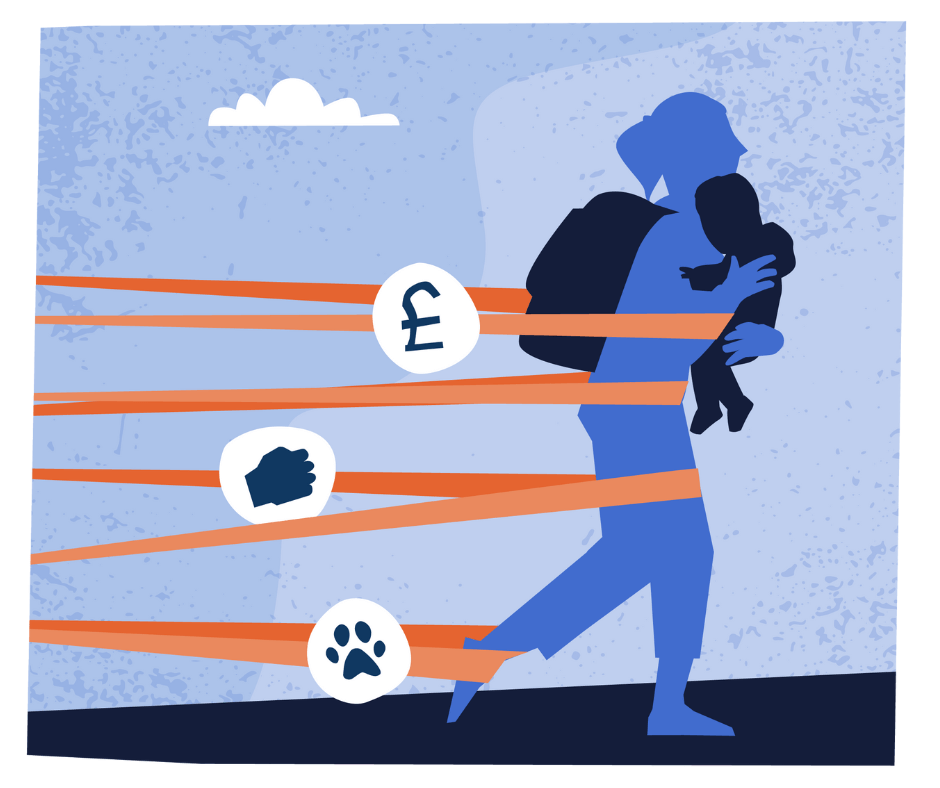
Nathan has just turned one. His mother, Sian, is devoted to her little boy. She used to be much more sociable than she is now. Since moving in with Nathan’s Dad, James, she has lost contact with her friends. She is overjoyed to be a mum but often feels alone and misses working. Sian thinks back to when she suggested inviting her family over for Nathan’s birthday. She knew James didn’t like her family, but he refused to let her invite them. He did say afterwards, though, that she must have misunderstood what he was saying.
Sian realises she’s running low on nappies for Nathan, but now she’s not working, James insists on doing all the household shopping. When she asks for more he gets angry and accuses Sian of being an unfit mother. The atmosphere in the home is tense and unpredictable.
Domestic abuse can happen to anyone, regardless of their background. Men are victims but predominantly women [6]. Regardless of gender, child welfare is closely linked to parental welfare. Many children are born into homes of domestic abuse. It is estimated at the time they start school, at least one child in every class will have been living with that abuse since they were born [7].
5 Years Old
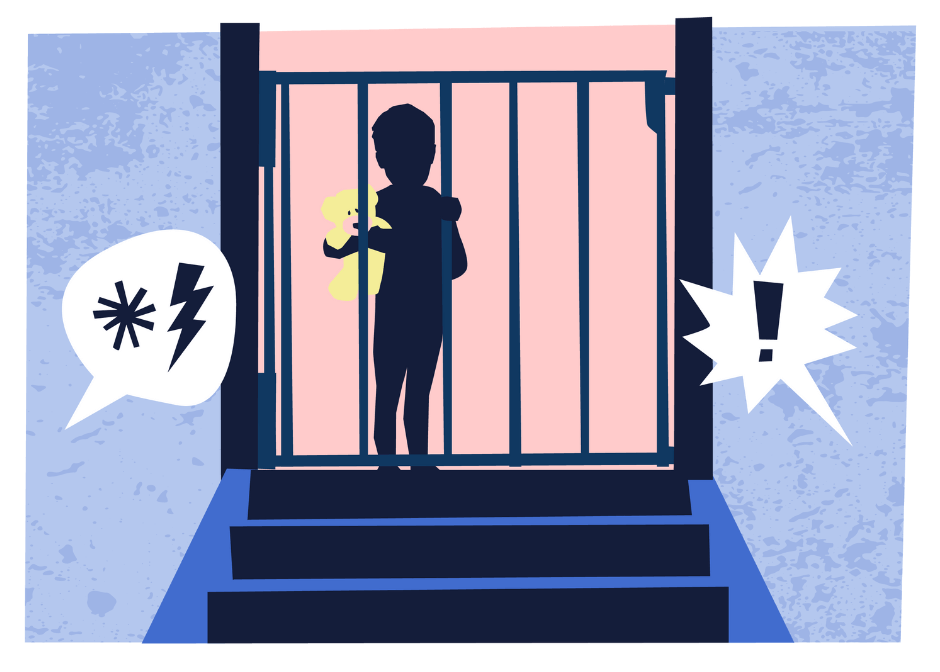
Aged 5, Nathan regularly wets the bed. Sian wants to take him to the GP but knows that James won’t allow it. She doesn’t leave the house on her own anymore except to take Nathan to pre-school. Nathan doesn’t want to go, especially since he got in trouble for hitting another child.
Sian has been busy cleaning the house, but when James gets home he shouts at her, saying it isn’t up to his standard. James regularly accuses Sian of cheating on him while he’s at work; today is no different. She thought this would stop now she didn’t have her own phone. Slammed doors startle and frighten Nathan. Upstairs, in his room, he is on alert, listening to the yelling. He puts his head under the bedclothes and holds on tight to his teddy bear to try and block out the noise. For Nathan, an anxious child, this is just one reason why he’ll have difficulty sleeping tonight.
Children are undeniably victims of domestic abuse. In 2021, children were finally recognised as victims should they see, hear or experience domestic abuse [8]. Too many do. Most brain development occurs during the early years, functioning for ongoing learning, behaviour, and health. The effects can be especially damaging for infants [9]. To prevent children from experiencing domestic abuse, we must prevent parental domestic abuse.
8 Years Old
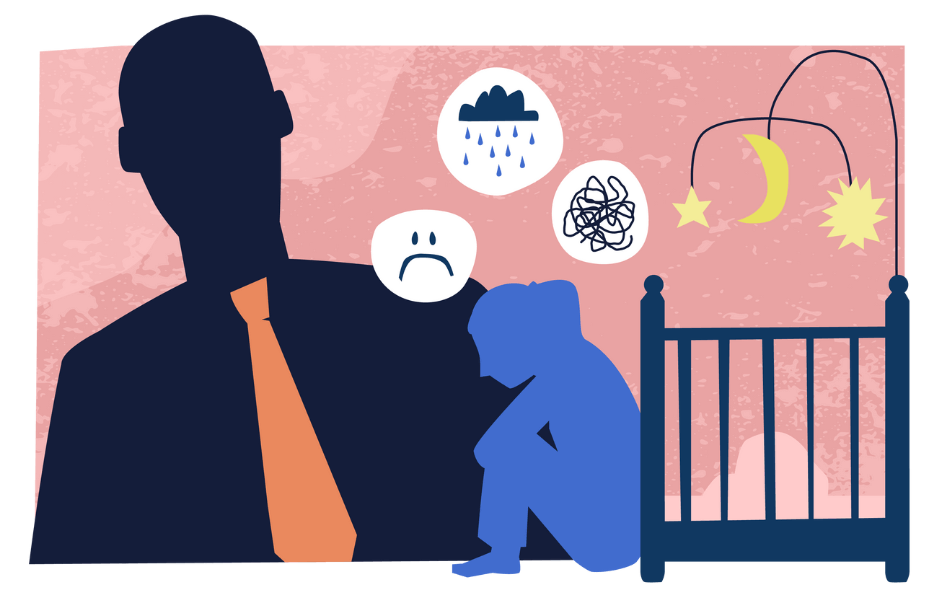
Now 8 years old, Nathan is a withdrawn, quiet child at school. He’s an intelligent boy but finds it hard to concentrate. He didn’t have breakfast this morning. Sian wanted to pick him up something on the walk to school but James didn’t leave her any money. His stomach aches from a mixture of anxiety and hunger.
Nathan tells his classmate about the dog his Dad bought him. He thinks to himself that he loves the dog already, almost as much as he loves his dad and mum. His classmate tells him about an after-school club. Nathan wants to attend but is afraid of leaving his mum alone with his dad.
Sian is pregnant and has mixed feelings about it. She is pleased to be having another child, but it wasn’t her choice; James is refusing to use protection. Sian is feeling more and more like a rubbish mum and is often crying; she has given up hiding it from Nathan. Conversations with James about the baby and Nathan often end in shouting or worse. Nathan feels guilty that he is to blame for his mum being so sad. Both Sian and Nathan are in survival mode, tip-toeing around James.
A fact that leaves me at a loss for words is domestic violence can start or worsen during pregnancy [10]. An estimated 40-60% of women experiencing domestic violence are abused while pregnant [11].
Every child, at each stage in their development, will be affected differently by the experience of domestic abuse. Toxic stress can result when children grow up exposed to stressful and unsafe environments [12]. Domestic abuse both impacts the parent (which impacts the child) and the child directly.
11 Years Old
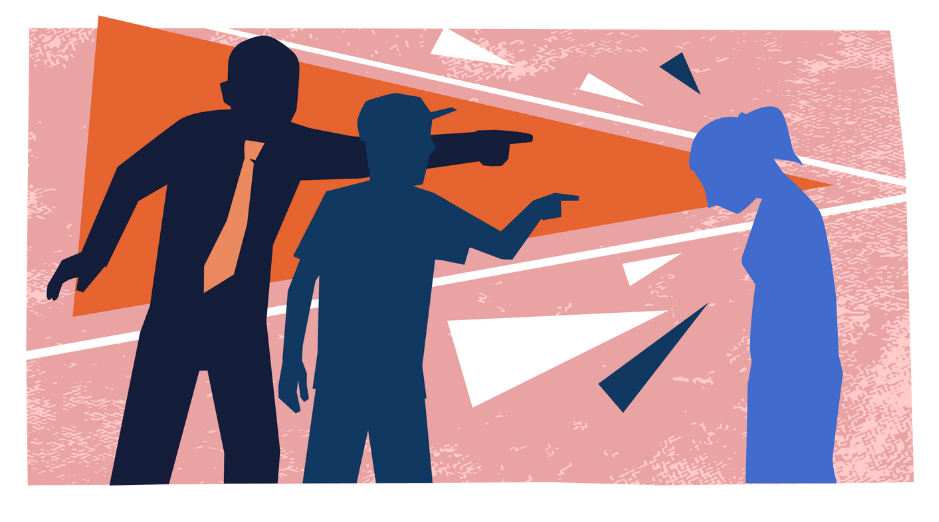
11-year-old Nathan is finding it hard at school. He has fallen behind his peers in learning and can’t seem to make new friends. He’s not allowed to have children back home for tea. But he is looking forward to seeing his dog and toddler sister when he gets home. He has enjoyed his home life this week; there has been a lot of laughter. Yet, Nathan knows this will change and he is conscious of staying on his dad’s good side. He’s got into the habit of refusing to do what his mum says, egged on by his dad. He emulates James’s behaviour, swearing at his mum when she tells him it’s time for bed.
The abusive parent can manipulate the children to ‘side’ with them. Furthermore, children may display abusive behaviours towards the abused parent [13]. This can limit their ability to parent. Domestic abuse, in this way, can damage parent-child bonds and relationships.
14 Years Old
Aged 14, Nathan often refuses to go to school. When he does attend, he is worried about what’s going on at home. Today, Nathan turned up sore with bruises after squaring up to his dad. James had hit his mum and claimed he was not his real dad. Yesterday, Sian wanted to leave and take Nathan and his sister with her. James threatened to kill himself and the dog if they left. Sian knows they would leave with nothing and James would find them. She’s tried leaving before. Nathan knows his Dad wouldn’t let them take the dog. All of this plays on Nathan’s mind. Most days, the teachers find Nathan’s behaviour challenging. He has fallen in with the wrong crowd and is taking drugs.
It is often incredibly complicated, challenging and distressing for victims to leave an abusive relationship. Certainly, it can also be dangerous for the victim [14]. It is not uncommon for abusers to threaten family pets with physical harm in order to intimidate victims [15]. For the victims that do leave, the abuser can use contact with the children to assert control [16]. Ongoing court battles lengthen the trauma. The abuse can continue even after separation.
There is a large amount of evidence showing that the mental and physical well-being of children who have experienced domestic abuse is negatively impacted. The short-term consequences of trauma are clear in Nathan’s story. Yet, when he does leave the home, there could be long-term effects from his childhood [17]. These include mental health problems and unhealthy coping mechanisms into adulthood.
Nathan and his sister are also more likely to become victims or perpetrators of domestic abuse in adulthood [18]. Some children repeat the pattern, the cycle continues and more children experience domestic abuse.
Breaking The Silence To Break The Cycle
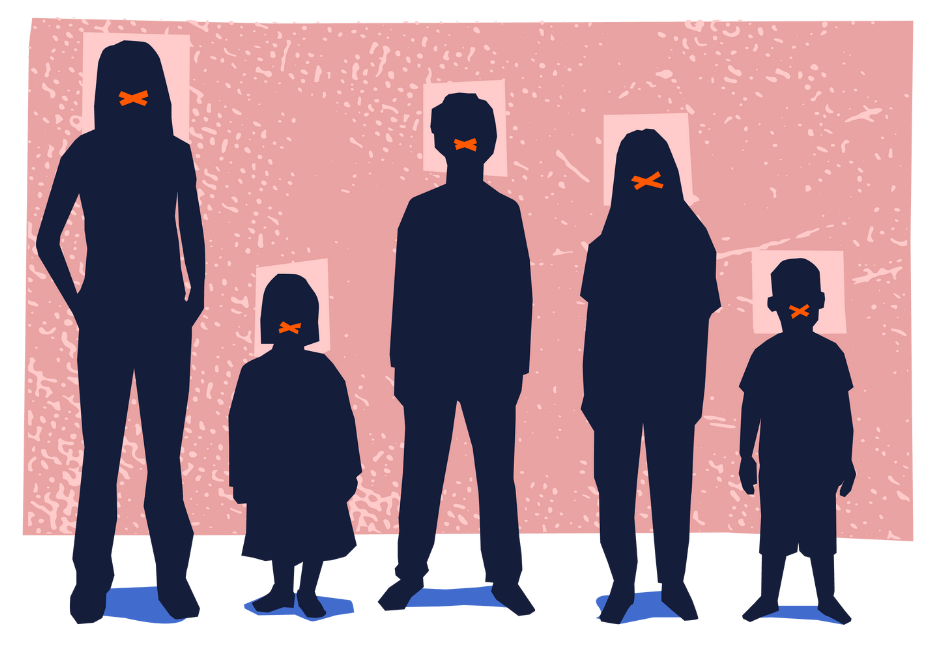
You may be thinking, what can we do to help those like Nathan, his mother and sister? It is a very complex issue. Still, preventing abuse from taking place or stopping it early on breaks the cycle. Awareness of what is domestic abuse helps us all understand what is not acceptable in relationships. As a community, we can benefit from talking more openly about domestic abuse.
Ultimately, prevention is the best cure. As a charity, we use the Helping Hands course to talk with children in primary schools around Central Bedfordshire. The course helps children learn non-abusive ways of handling conflict, who to turn to for help, and understand how a respectful relationship looks and feels. Children truly are the future; by supporting and enriching their teaching today, we can help protect them tomorrow.
Supporting Survivors
Alongside prevention, we should be supportive of survivors of domestic abuse. Many survivors are traumatised and feel ashamed, but it is important to know that the fault always lies with the abuser, never the victims/survivors. It is truly a struggle for a parent to rebuild a life for themselves and their children. Yet, I’ve witnessed remarkable transformations. Recovery goes hand in hand with prevention. Own My Life is a free service we offer to local women who have experienced domestic abuse. The course helps them regain control and move on to a happier life with healthy relationships.
Supporting local families with young children after escaping abusive relationships is another way to assist recovery. That’s why our trained volunteers are friendly faces offering compassion and humanity. They give their time to listen and offer support and encouragement as survivors try to improve their lives. The family could be in a refuge or far from their abuser in a different area. A weekly visit helps to nurture parent-child bonds and provide some stability in an often unstable period for children.
No adult or child should live in fear in their home. Many do in our community. For every parent experiencing domestic abuse, there is often a child victim. The negative consequences can affect children into adulthood. We must talk about domestic abuse and bring it from under the cover of silence and out into the open. Awareness, prevention and recovery are essential to break the cycle in our community and ensure every child has a safe and happy childhood.
Linda Johnson, Chief Executive, Home-Start Bedfordshire.