


We all need our sleep and know the problems that not getting enough can cause the next day. Yet, most parents, including those of children with SEND, experience issues with their child’s sleep. When getting a good night’s sleep becomes challenging, it can have a negative effect on our family life.
Here we explore why young children with SEND especially can have challenges with sleeping. Listening to parents who have ‘been there’, we offer suggestions to help improve your child’s sleep.
SEND Sleep Issues
Sleep issues are common for children with SEND. Notably, they may be more likely than their peers to have sleep issues. For instance, children with disabilities, learning disabilities and autism are more likely to have problems with their sleep than nondisabled children.
Heidi, our SEND Parent Mentors Coordinator, reflects, “Sleep has got to be one of the biggest areas of challenge for me personally when it comes to my journey as a SEND Parent. My son didn’t sleep through the night until he was 7 years old! Even when he did sleep through I would have to sit or lay down with him to get him off to sleep. Bedtime could take hours. It was frustrating and tiring and left me feeling like I was doing something wrong.”
We all know that when a child doesn’t sleep well, it can disturb the quality of our sleep (and their siblings) too. Being deprived of adequate sleep can make it harder for us to think clearly and function. We can be more irritable, and our mood can be negatively affected. Similarly, you may see the effects of inadequate sleep on your child’s behaviour. They might be overly emotional, sleepy or even hyperactive. In turn, our parent-child interactions can be more difficult.

Be Kind to Yourself
Poor sleep impacts both our child’s day and our own. Ultimately, our resilience to other life problems can be affected. So it’s important for us to practice self-care. As parent carers of children with SEND, there is always something to be doing, but it is not selfish to take time to rest when we have the option. Being kind to ourselves and practising self-care supports our resilience and sustains our ability to parent our children. As Heidi says “Give yourself a break! You’re doing your best and it won’t be like this forever.”
Certainly, SEND parenting can feel isolating. Remember, you are not alone; there are others just like you. Consider joining online or local support groups including your area’s parent carer forum. These are excellent places to talk with other parents who understand and can provide advice and emotional support.
Importantly, you should ask for help if your child’s sleep issues are persistent and impacting your family’s health and wellbeing. This includes if sleep issues are making it harder to bond with your child. Certainly, talk to your GP or health visitor if you suspect a sleep disorder, e.g. sleep apnoea. Or if you are concerned there could be any other medical cause, if your child has an existing condition, or if your child is in pain. It’s also worthwhile talking to your GP if your child is taking medication (as it may be affecting their sleep).
How Can We Improve Our Child’s Sleep?
SEND includes a wide variety of additional needs and disabilities. In offering suggestions, it is not possible to take account of every child’s individual needs. However, many of the following suggestions can be adapted for a wide range of family circumstances. Ultimately, you know your child best, so only use suggestions you think will suit your child.
Soothe To Sleep
Often, young children (including children with SEND) rely on parent carers to soothe them off to sleep. This can also mean they seek comfort from us when they awake at night. Yet, being able to comfort themselves is a valuable skill children use into adulthood. Sleep hygiene can assist your child’s ability to self-soothe. Sleep hygiene refers to the behaviours and environment that contribute to sleeping well. These include having a consistent bedtime routine and an optimal bedroom environment. However, children with SEND can have additional challenges, affecting their ability to self-soothe.
Before Bed
Activities involving physical exercise or mental stimulation are best kept to before dinner time. There are many activities that support child development and help them use their energy throughout the day. As Heidi describes, “Being active during the day, walks, the park, soft play or my favourite for wearing out my child was swimming. Having time outside in nature, time in the back garden on a blanket, the woods, feeding the ducks, getting out exploring and getting fresh air. Stimulating activities, brain games, board games, hide and seek, role play, and imaginative play. My son had me running around pretending to be a Ninja for about 3 years! You don’t have to spend lots of money, walking on the school run or to the shops; it all helps.”
Following dinner time, your child may need a snack so they are not hungry at bedtime. Yet, it is best to avoid a large meal in the lead-up to sleep. It is also worthwhile considering what you give them to eat and drink to ensure it’s not high in sugar, e.g. hot chocolate. Slow-release carbohydrates may support sleep, e.g. a small bowl of porridge and bananas.
Likewise, it’s a good idea to limit screen time in the lead-up to bedtime. Heidi suggests “Avoiding screens for a couple of hours before bed, that includes phones, Ipads and TV. I know this is often one of the hardest things to remove or change. If it is not possible, using amber filters to change the blue light or amber glasses can make a big difference. Even if you can cut down on screens a little it will have an impact.”
Like us adults, worries and anxiety can affect the quality of children’s sleep. It’s difficult for our minds to relax when we feel fearful. The SNAP Parent Carer Forum suggests taking “time each day prior to the bedtime routine to discuss the day and to sort out any issues that may have arisen.” Making a worry jar can also be a useful tool. Simply write your child’s worry down and give it to them to rest in the jar for another day. In addition, it’s helpful to finish the conversation with positive points. For example, things you and your child are thankful for, and strengths and qualities your child has.
As parent carers, our children model our behaviour. This is especially true with younger children – ‘monkey see, monkey do’. For this reason, it is worthwhile modelling how we wind down before bed.

Bedtime Routine
For many children, having a predictable and calming bedtime routine can benefit their sleep. Whereas, changes to this routine can disrupt their sleep patterns. The comfort found in routines comes from familiarity, that’s why consistency is key. As Heidi emphasises “Having a simple bedtime routine that was the same each day helped me and my son. He knew what to expect.”
Nevertheless, sometimes routines will alter, particularly if your child is doing hospital stays or visiting with friends or family. Other times, routines need adjusting, e.g., when the clocks change. As such, you’ll want to consider the best time to start establishing a new bedtime routine. To be consistent, you’ll want a time when your child’s schedule is settled and you are unlikely to encounter disruption. Remember, be prepared for some tears along the way; it may take several weeks for you to see benefits.
An aim of establishing a bedtime routine is to promote feeling drowsy and sleepy. Try to make it enjoyable quality time together. Each part of the routine signals a step towards falling asleep. It’s also useful to anticipate reasons for your child getting out of bed, e.g. being hungry/thirsty, needing the toilet, or needing to tell you something (such as the door not being open).
For example, a routine could look like:
- Moving from downstairs to upstairs.
- Having a warm bath.
- Brushing teeth.
- Toilet.
- Closing curtains, turning lights off and lowering others.
- Reading. As Heidi recalls “Reading to my son in bed helped to calm him, sometimes we listened to audiobooks.”
- Ensure your child has what they need at bedtime, e.g. their teddy bear/blanket and a small drink should they get thirsty.
- A final good night, time to close your eyes, see you in the morning type phrase as a cue that they should fall asleep.
Keep in mind that some children may need more sleep than others. So, pick a bedtime that is suitable for your child’s age and needs.
Consistency In Routine
Young children especially thrive on consistency. Having a visual chart showing what is happening in what order can benefit some children. You could make this together, including your child as much as possible in the process. Ideally, the bedtime routine should start/finish around the same time each evening. Often following the same order of routine is best. However, this is not always the case. For instance, some autistic children benefit from rigidity, whereas others can be stressed by the need to complete the routine.
Likewise, ‘waking up time’ is best kept the same in most cases. We all have an internal body clock called the Circadian rhythm that takes its cues from the environment. So having a routine helps with this. At the weekends, there can be the temptation to leave your child to lie in. Try to avoid doing this. Instead, aiming to keep their bedtime and wake-up time consistent can help support their natural body clock.
If your child is regularly staying overnight with a partner or family, it can be worthwhile asking them about your child’s bedtime routine. As well as opening a conversation about your child’s preferences, you may discover if they’re experiencing similar issues.
Bedroom Environment
Your child’s bedroom should be a safe comfortable place to fall asleep. Ideally, the environment will help promote self-soothing. Of course, many children’s bedrooms are multifunctional spaces to also play and learn. However, their bed especially should be associated with sleeping. So, try to avoid them using it as a place for play. Likewise avoid using it as a place for ‘time out’.
As adults, we know what we need to sleep well and how to create an optimal environment. Whereas our children may not yet know their individual preferences. Keep in mind that your child’s preferences could be different to your own.
Similarly, we can have different sensitivities. Our sensory processing system helps us perceive, respond and adapt to the information received from our environment and our bodies. Regarding sleep, hypersensitivity can be an issue for children with issues surrounding sensory processing and regulation. If your child has sensory sensitivities try to anticipate their needs with touch, smell, sight and sound. In addition to these well-known five senses (also taste), we have the interoceptive, vestibular and proprioceptive senses. It can be useful to consider your child’s interoceptive sense that senses their body’s internal feelings. For example, when they feel thirsty or itchy. Likewise, it’s useful to consider their proprioceptive sense; the position of their body in relation to their environment. For instance, where they are positioned in their bed.
Overall, anticipating and reducing these stimuli can help them fall asleep and get back to sleep should they wake up at night. Things you may want to consider include:
- Blackout curtains or blinds can help with the changes in daylight hours. Melatonin (the sleep hormone) needs darkness to activate its release.
- Nightlights are comforting for many children. Leaving the hallway night on can also help anticipate their need to go to the toilet during the night. However, around the bed try to reduce sources of direct light, such as those from electronics.
- Checking the temperature of the room (especially once under the covers) is cosy enough for your child but cool outside of the covers. Consider if they are able to move the cover off themselves to regulate their temperature at night.
- Check that their mattress and duvet/pillows are comfortable enough for your child.
- Consider trying different bed sheets and pyjama materials and washing powder (e.g. lavender).
- Aim for neutral colours when possible. Some colours can be overstimulating, e.g. red.
- Consider the size of your child’s bed and where they are falling asleep and waking up. Are they moving around a lot? Consider moving your child’s bed closer to a wall so they can lean against it.
- Also, consider moving your child’s bed away from walls attached to other houses or facing busy roads. It is useful to identify any noises that could be preventing them from falling asleep or waking them from sleep.
- If they share a room with their siblings, consider if/how this arrangement affects one another. There may be positives, e.g. providing comfort. Should the arrangement be unbeneficial, consider options including room partitions.
- Heidi recalls, “We always had a lamp that projected something onto the walls or ceilings, and some music that created a soothing environment. Even now, my son doesn’t like silence, and he often has the radio on to get to sleep.” There are many gadgets available to trial aimed at comforting children. White noise can be helpful for some children.
- Consider any objects in the room that could become scary for your child in the night, e.g. scary silhouettes of shadows.

Consistency In Environment
Through the night we cycle through different stages of sleep:
- Rapid eye movement (REM) – During this stage we dream and process the events of the day
- Non-REM – At the beginning of this, we are aware of the environment around us but then move into a deeper sleep, which is a restorative phase.
At times, we can be partially awake, although we may not remember this. If our environment is the same as when we fell asleep, we may go straight back to sleep. However, if it isn’t, we may awake. This is worth thinking about when thinking about children who fall asleep downstairs/next to you, or with white noise. When they awake partially and the things that they have associated with sleep are not there they may not go straight back to sleep.
Understanding Your Child’s Challenges
Every child is unique. Likewise, the challenges children with SEND have surrounding sleep can be individual to their needs. An approach that works well for one family, may not for another.
Equally, SEND includes a wide variety of additional needs and disabilities. In offering suggestions, it is not possible to take account of every child’s individual needs. However, many of the following suggestions can be adapted for a wide range of family circumstances.
As in our advocacy, aiming to better understand these challenges helps us anticipate and alleviate them. Heidi summarises, “I wasn’t doing anything wrong, my child just needed me to do things a different way.”
Observe
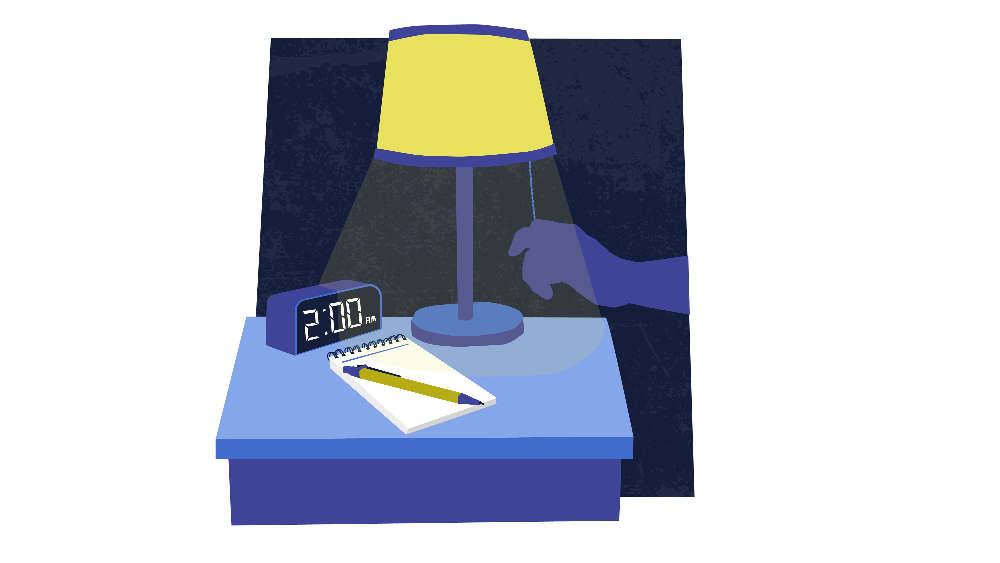
A useful first step is to identify the challenges. There could be one key issue that is leading to sleepless nights, or several. To get a better picture of your child’s sleep habits, keep track of when your child is having disturbed sleep. Even during the night, try to take a few notes, these can help jog your memory the next day.
The more detail you can include, the better your insights are likely to be. Include what time they are going to bed, falling asleep (if you know), and waking. Take note of anything sleep-related, e.g. bad dreams, bed-wetting, and snoring. Also, include if your child is napping during the day and for how long. As everyone’s quality of sleep varies from night to night, try to keep taking notes over weeks rather than days. Your notes can also be useful for helping professionals, e.g. tracking symptoms associated with sleep disorders.
Patterns
Over time, your observations may help you see any patterns. It can also be valuable to consider what happened during those daytimes too. For example, it may become clearer that your child’s challenges surround going to bed (maintaining a bedtime or falling asleep) or waking up (staying asleep or getting up early). These may emerge most nights, at similar times.
Ultimately, defining patterns can help you anticipate when sleep issues could occur. However, the absence of a pattern with issues occurring on different days at varying times can also be revealing.
Causes
With an increased understanding of when challenges are occurring, you can focus on what is causing them and why they are causing sleep issues.
Of course, not all sleep challenges are specific to children with SEND. Many children without SEND wake up at night. It’s also worthwhile considering if there are other factors affecting your child’s sleep, e.g., an illness, or allergies.
However, your child’s SEND may play a role in their challenges with sleep. For instance, learning difficulties can impact children’s ability to understand why sleep is important. Likewise, visual impairments can impact children’s ability to know when it is nighttime (sleep time). Children with ADHD can find it hard to switch off and fall asleep. In particular children with physical disabilities and neurodiversity may experience physical discomfort, contributing to disturbed sleep.
Some questions to ask yourself could include:
- Can you pinpoint when this problem began?
- Why don’t they understand it’s time for bed?
- Has there been any change to their usual bedtime routine?
- Has there been any change to their sleep environment? E.g., new sheets, hallway light turned off.
- Why aren’t they falling asleep?
- Are they doing a certain activity that prevents them from falling asleep easily?
- Are they anxious/worrying, hungry or thirsty, uncomfortable (e.g. too hot or cold) or in pain, unable to relax?
- Could what they are eating be impacting their sleep? E.g. sugary food.
- Are they on medication? Could this be impacting their sleep?
- Why are they waking up?
- Are they uncomfortable or in pain, needing the toilet, or having nightmares?
- If they are unable to easily get back to sleep, why?
Communicate
It’s important to remember that what could be a minor issue for us could be a substantial issue for a child.
In addition, children with SEND may struggle to communicate the problems that are causing them to have sleep challenges. Yet, it is often helpful to talk with your child; as a SEND Parent Mentor explains, “It is important to keep lines of communication open,” and “to talk to the child about what is keeping them awake”. Keep in mind that listening is more than what they say verbally. Observe your child’s body language, and if their mood or tone of voice changes.
Experiment
A better understanding of the challenges, their causes and when they may emerge can improve our strategies to alleviate them. It’s useful to continue taking notes and review how well your child slept as you test solutions. A good place to start is with key challenges that are most impacting their sleep. For example, you may realise that your child’s bath is overly stimulating, making them more awake than tired. In this case, you might move bath time to before the bedtime routine.
Behavioural changes can take longer for children with SEND. So, consistency is important. Remember, the most important thing is to be patient, stay optimistic, and celebrate every little victory.
Unintentional Reinforcement
Lastly, if the problem involves a behaviour, it can be useful to look at our own actions. Are we contributing to the issue? Sometimes, we can unintentionally reinforce negative behaviours, including those surrounding sleep. By providing stimulation or reward we unintentionally hinder our children’s ability to self-soothe and settle themselves. For example, children who regularly awake in the night and cuddle up with us in our bed. Their sleep is disturbed as is our own. It is very easy to fall into a pattern of rewarding undesirable behaviour. However, taking the time to recognise our own actions can be the first step to resolving the issue.
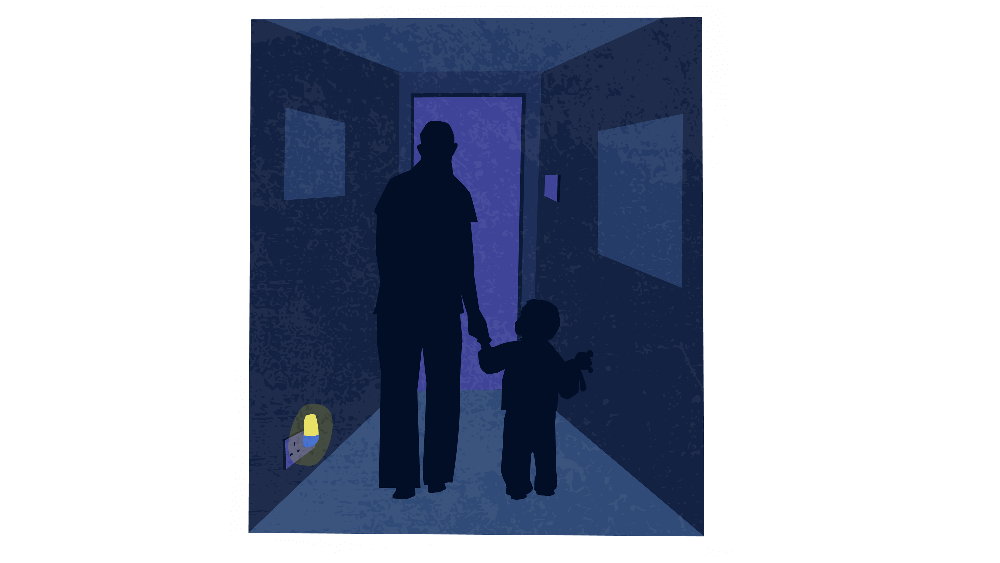
If your child keeps waking you at night, it can be useful to try the following suggestions. Gently lead them back to their bedroom (or the bathroom should they need it). Try not to go into their bedroom with them unless they really need you to. If they are fearful, e.g. having nightmares, comfort and reassure them to help them settle. Generally, try not to stimulate them and avoid showing emotion or having a conversation. Be mindful of turning lights on so as not to awaken them more. Calmly leave the room.
Equally, a good approach is to reward desirable behaviour and move past undesirable behaviour. It can mean short-term disruption for long-term benefit, e.g. getting up to take the child back to bed. We may need to repeat this several times, each time avoiding stimulating. When the child doesn’t get out of bed in the night, they’d be rewarded. For instance, this could be with praise and acknowledgement of their achievement and a star on a behaviour chart.
Useful Resources
It is always worthwhile checking your SEND Local Offer. For example, it may have sleep-related resources and workshops. Depending on your child’s SEND and your circumstances, the following resources may also be useful.
The Sleep Charity
The Sleep Charity campaigns and raises awareness of the need for a good night’s sleep. They offer a variety of sleep-related courses for families. Our thanks to the Sleep Charity for their Sleep Talkers training programme which has a focus on helping children and young people with SEND.

Home Visiting Service
If you are struggling, our home-visiting volunteers are here to offer you practical and emotional support during difficult times. This service is for families in Central Bedfordshire with at least one child under the age of five.