

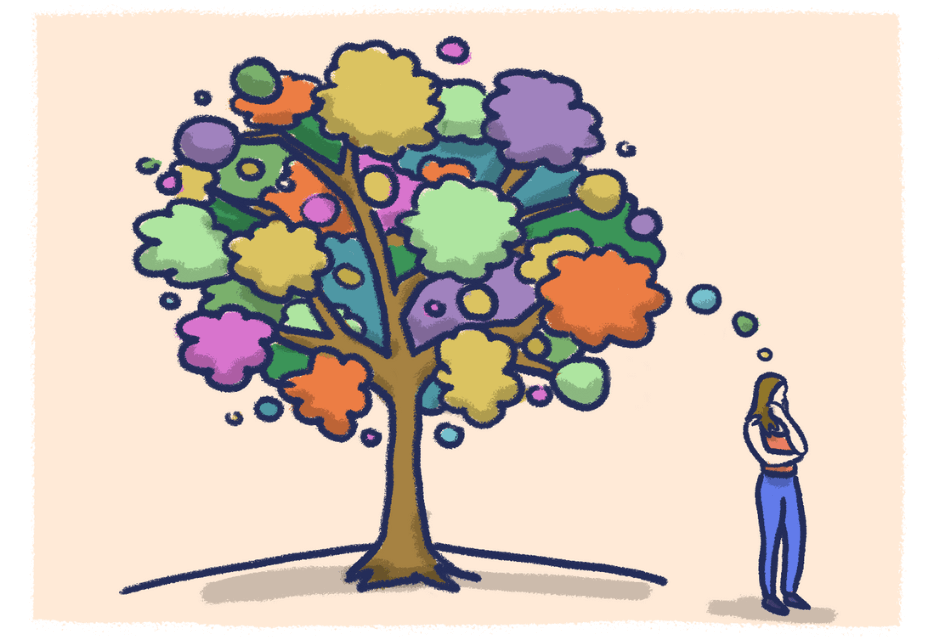
What Is Eco-Anxiety?
Eco-anxiety (ecological anxiety) is a widely used term for a spectrum of emotions triggered by environmental issues. In other words, we feel distressing emotions about the potential for future environmental disasters. Unlike many unfounded fears, concerns for our environment are often based on scientific evidence. So, to be concerned is rational, reasonable and normal. As such, experiencing eco-anxiety can be justified and not something wrong to be fixed. Anyone can experience eco-anxiety, and indeed, many of us do.
However, the lack of control we have to prevent further damage to our environment is hard. The sheer scale is daunting. As the damage unfolds slowly, and we can’t stop it, frustration and helplessness can set in. Over time, intense eco-anxiety can negatively affect our mental health. That’s why we should be aware of our eco-anxiety, talk about it, get support when we need it and take action.
Reclaiming a Sense of Control.
As caregivers, we’ve embraced the primary responsibility of caring for and keeping our children safe. We do our best to prevent and solve problems in their lives. Yet, many environmental problems can feel overwhelming. Their causes are often global, systemic and outside our control as individuals. Similarly, most solutions are complex, involving societies, governments, and economies. Alone we simply cannot prevent or solve these immense problems, and it’s unrealistic and unfair for us to bear primary responsibility. Instead, we can focus on what is within our control: ourselves and our parenting.
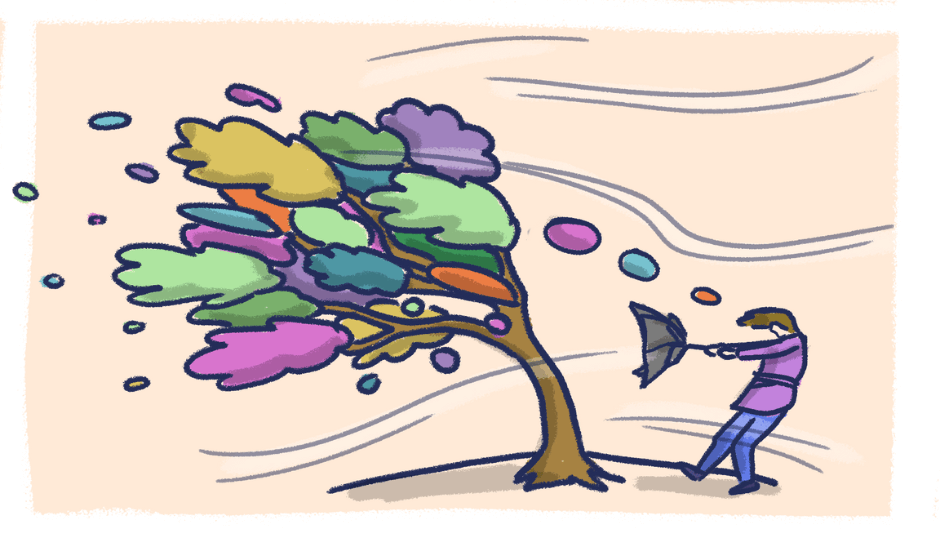
Processing Our Emotions.
We all experience eco-anxiety differently, but we know when we’re not feeling ‘right’. A useful first step can be to acknowledge that we are experiencing strong feelings. Then we can begin actively processing these emotions.
Name our emotions
Just as we help young children identify their feelings, naming our own emotions can help us understand our state of mind. With eco-anxiety, we might feel fear, stress, sadness, guilt, anger, or hopelessness. Accepting these emotions as natural can help us process them more effectively and reduce their intensity. Remember, as adults we are permitted to have feelings too!
Be kind to ourselves
As parents, we need to practice self-care. Our mental well-being is important to our ability to parent our children. While there’s always something to do, taking time to rest is not selfish when we have the option. Remember, feeling eco-anxiety stems from caring deeply about our environment and our children. Consider how you would treat a close friend who felt this way, and extend to yourself the same kindness and understanding.
Being present
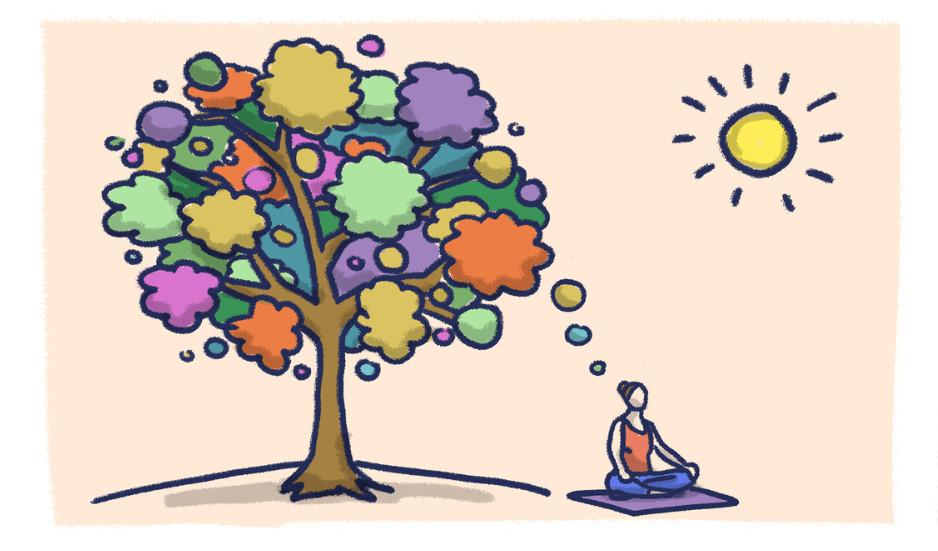
‘Yesterday is history, tomorrow is a mystery, but today is a gift, that is why it is called the present’ is a well-known saying. We cannot change the past; we don’t truly know what will happen next; all we have is this moment. Anchoring ourselves in the present moment can help reduce the intensity of emotions surrounding our environmental concerns.
It’s also helpful to gain perspective: eco-anxiety isn’t new. Our parents’ generation also faced existential environmental threats, like nuclear disasters and the hole in the ozone layer. A key difference for us today, however, is the sheer volume of information readily available.
Being Mindful of Information
It is good to be informed about environmental issues. However, we’ve found it helpful to be mindful of the amount and regularity of information we’re consuming online. We do have some control over our information choices. It’s always useful to focus on quality over quantity. Especially, it’s helpful to consider the amount of negative information we receive if our mental health is suffering.
Avoiding opinion.
Keep in mind that mostly useful information is based on facts, not opinion. Yet, anyone can spread overly simplistic and polarising opinions online. That’s why critical thinking is really important. We should be wary of information on social media, including YouTube, as it can be incorrect, out of context, or exaggerated. Certainly, social media is useful for connecting with friends, family and finding entertainment. However, unreliable information can hinder our understanding of the reality surrounding issues.
Instead, for environmental information, we’ve narrowed our social media feeds to just credible organisations and renowned experts, such as the United Nations Environment Programme, scientists and conservationists (like Chris Packham). And a simple but effective tip we’ve found: try to avoid comment sections, which rarely offer helpful information or constructive debate.
Choosing credible news outlets.
Similarly, not all ‘news’ is unbiased. Especially online, news shows can be driven by the opinions of the show personalities and politics. Again, these opinions can be overly simplistic and polarising. Although no news outlet is perfect, a good approach has been to get news from those known for accuracy and accountability. The BBC is one example.
Choosing the right time.
Smartphones have increased the quantity and frequency of information we consume. As Rebecca, a counsellor at Central Bedfordshire Council, explains: “Working as a therapist, many of the people I support suffer with feelings of anxiety. These feelings can manifest both physically and psychologically. With the advent of smartphones, we are now bombarded with information about international disasters and ecocide. This can heighten a sense of eco-anxiety, causing overwhelm and psychological distress related to the climate crisis.”
It is easy to continuously be checking the news or even find ourselves doom-scrolling. The access to almost unlimited information is novel, but can also be overwhelming. We’ve found that setting boundaries for time spent searching online is worthwhile, particularly when we are trying to understand an issue. A simple and more effective strategy for learning and staying informed may be to define what time (and even what days) we look at environmental information and news. Creating a separate time to deal with hard information can help limit its impact on our daily routines.
Take a break.
Remember, we have the choice to take a break from the news and social media. This can be beneficial during periods of emotional distress. Taking a break isn’t avoidance, it’s self-care. The information will still be there, and us keeping updated won’t change things. If we feel overwhelmed, we can take a break and recharge.
Sharing & Connection.
It can be incredibly helpful to talk to someone who won’t minimise your concerns, especially if they’re a parent too. You are not alone in feeling anxious about our environment; many like-minded people exist, perhaps even some you already know. Connecting with local or online groups that share your concerns can also be beneficial. Remember to focus on the positive, not just the negative. Keep in mind:
- Platforms like COP exist where governments convene to discuss climate, biodiversity, pollution, and more.
- International agreements are in place to reduce climate change impacts, with countries worldwide, including the UK with its Net Zero plan, committed to reducing carbon emissions.
- Numerous governments and organisations are actively working to reduce biodiversity loss.
- There is hope. While each challenge is unique, environmental problems have been reduced, prevented, or even reversed, with the healing of the ozone layer being a prime example.
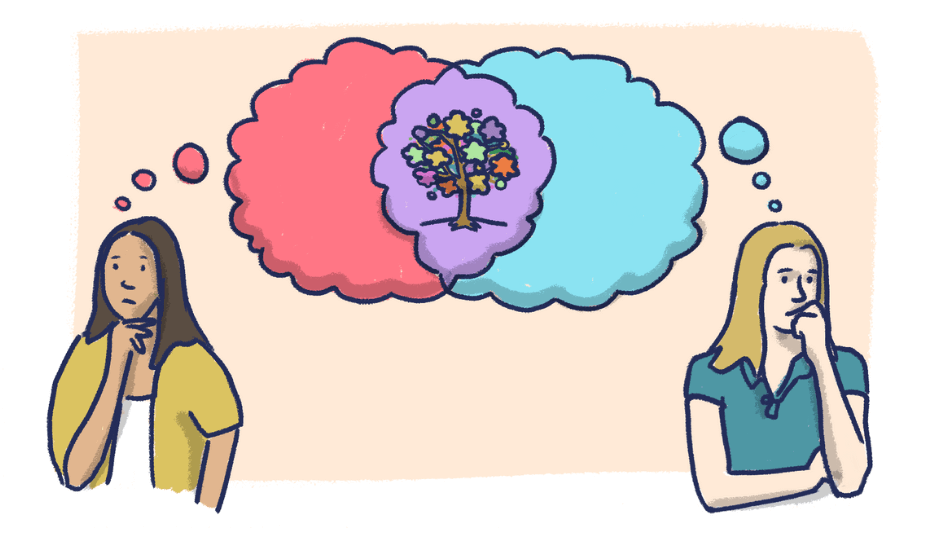
We Can Ask For Support
As we’ve learned, eco-anxiety is a normal response to often justified concerns. However, if persistent strong emotions begin to impact your mental health or disrupt daily life, it’s crucial to seek support when you need it. Being a parent is challenging even at the best of times. Seeking support is a sign of strength, not weakness, especially for parents juggling so much. Asking for support is a proactive action, preventing potential issues. This support could come from family, close friends, counselling, or therapy. Importantly, if you consistently feel depressed, anxious, or have suicidal thoughts, please talk to your GP.
We Can Teach.
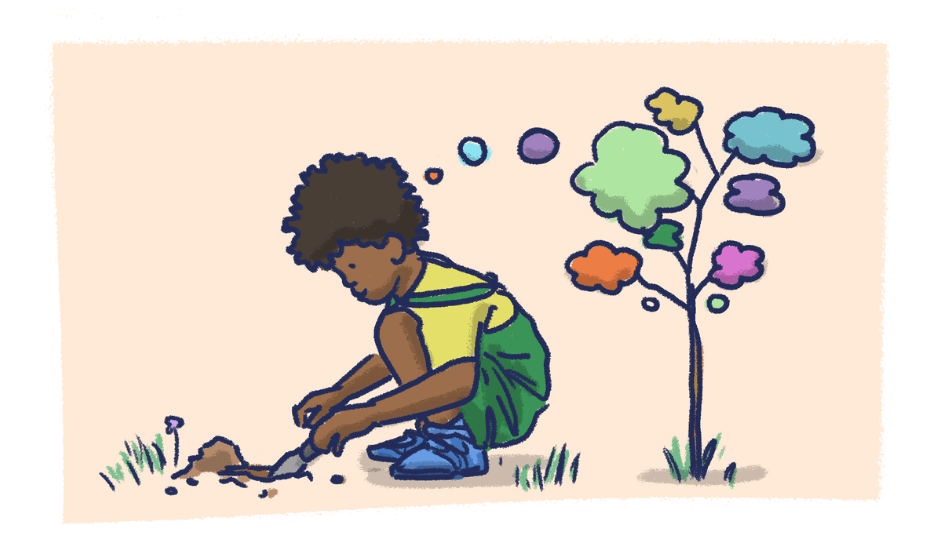
As we’ve seen, eco-anxiety isn’t a new phenomenon, and our children will likely experience it. If we, as adults, feel frustrated by governments, we can empathise with how young people must feel. Our own experiences with eco-anxiety can empower us to teach our children how to process and manage their emotions. Importantly, our children observing us take action can also alleviate their own eco-anxieties. We can help them understand our choices, teaching them and nurturing their resilience. We can be the adults who embody the actions they wish to see.
We Can Take Action.
While we cannot control societies, governments, and economies, we absolutely can control our actions. As parents, our actions speak louder than our thoughts or feelings. Our children model their behaviour on what we say and do. For instance, we can:
- Spend more time in nature. This benefits our well-being and offers invaluable bonding experiences with our children.
- Educate ourselves on environmental problems, focusing on the science, solutions, and politics. Consider reputable sources like the Open University’s Open Learn platform. Increased understanding enables us to support political parties with policies we align with through our votes. We can also advocate for our environment by signing petitions, supporting environmental non-profit organisations and joining campaign groups such as Friends Of The Earth.
- Be conscious consumers, supporting companies whose practices align with our values.
- Take personal responsibility: reduce, reuse, recycle. These simple, tangible actions can support our children’s well-being while actively helping our environment. See our video below.
Remember, addressing eco-anxiety isn’t just about managing distress; it’s about channelling our care for the planet and our children into meaningful steps.