

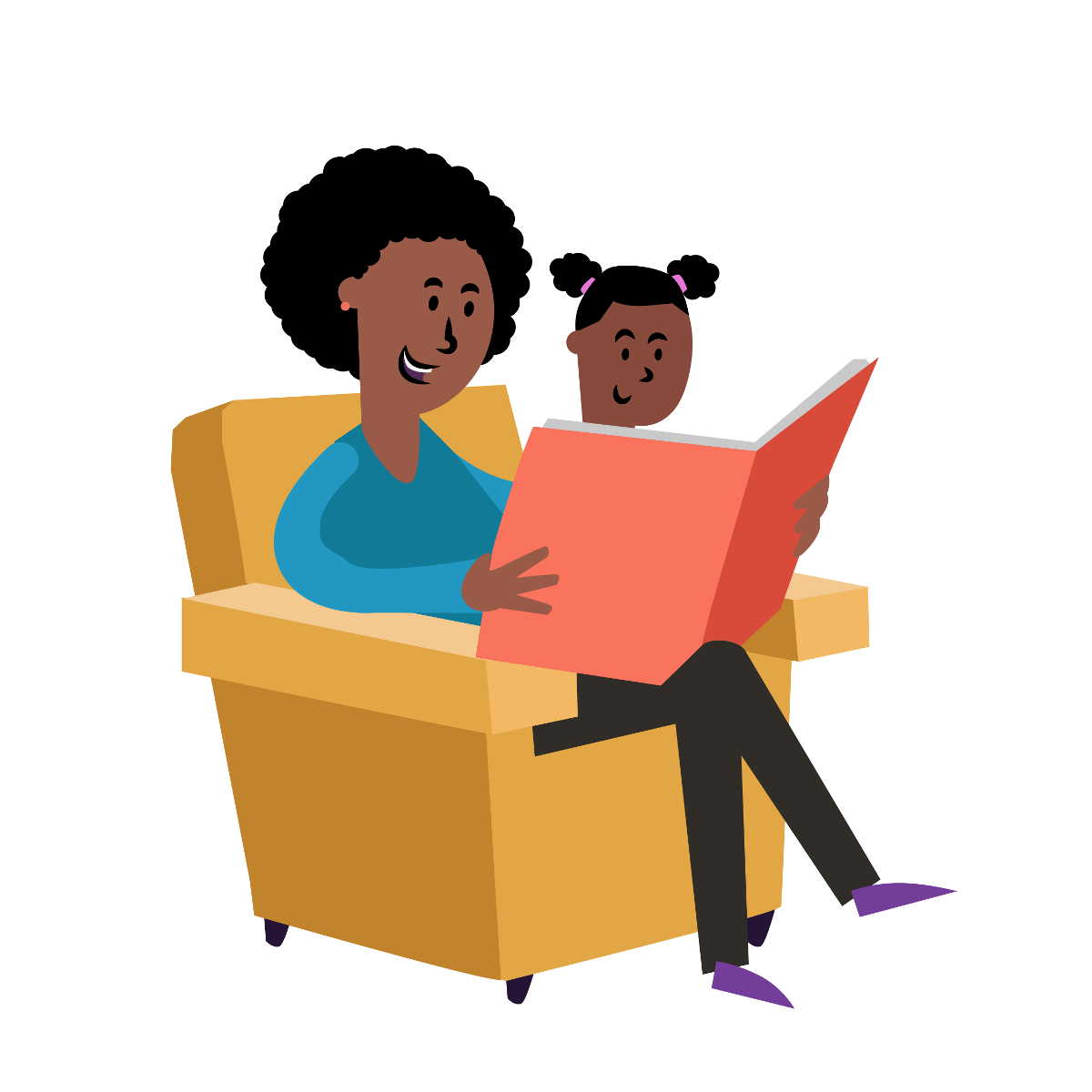
Reading aloud with your child from a young age is a great way to support their early development. It lays the foundation for childhood learning and growth, impacting their future into adulthood. Yet, fewer of us are reading aloud to our children than ever before.
Here, we’ll explore the challenges and benefits of reading together and offer some helpful tips to plant the habit of reading for pleasure.
Parent-Child Bonding
The BooksTrust points out that lots of us find it challenging to read with our little ones. Busy days, work, and family life can get in the way, and sometimes it’s hard to know which books your child will actually enjoy. Many parents also feel a lack of confidence in engaging children with books and stories.
Reading Time
Yet, reading together is valuable and quality time with your child. It helps you build a strong bond, which gives them the confidence to explore and learn. Life with young children is busy, but you can make reading a part of your routine with a few small adjustments.
Click Here For Ideas...
- Try setting aside a little time each day for one-on-one reading. It could be before bed, after a bath, or just before a nap. You can also grab opportunities to read together on long car rides or whenever you have a quiet minute.
- Every bit of reading matters. Magazines, letters, food packaging, street signs, it all counts. Point things out and read them aloud together when you spot them.
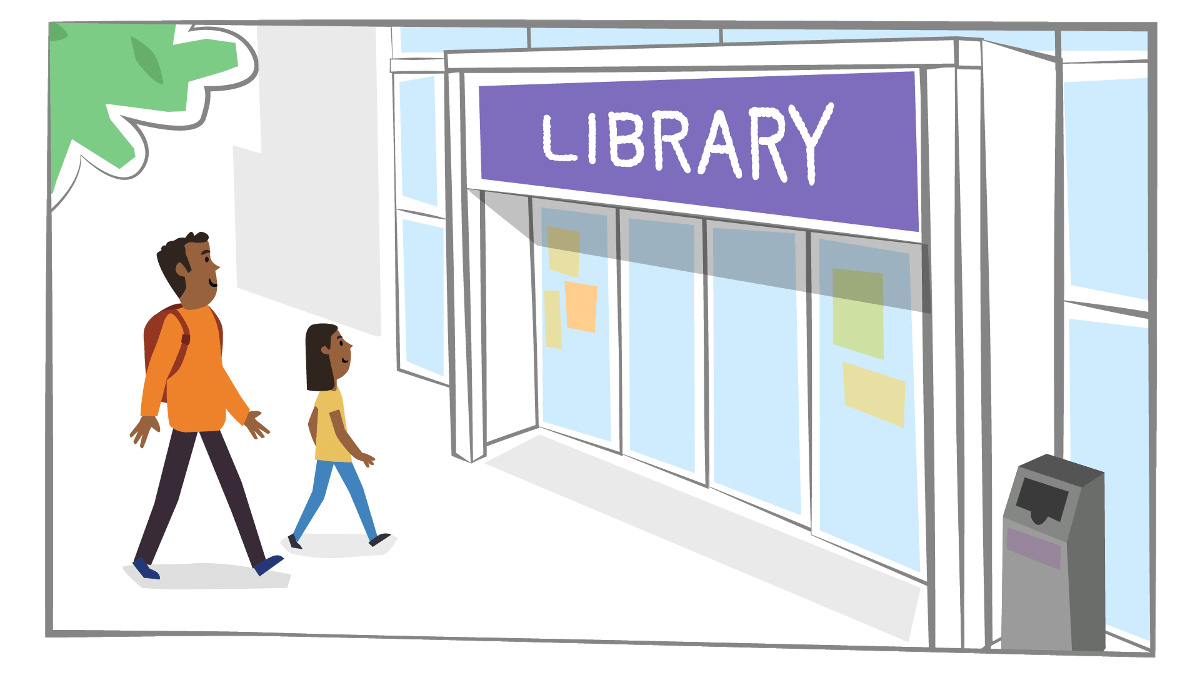
Pop into your local library if you can. Libraries are great at bringing families together through books, and they often have events and activities for you and your child to enjoy. If you live in Central Bedfordshire or Bedford Borough, you can find out where your nearest library is here. It’s free to join the library.
Choosing Books
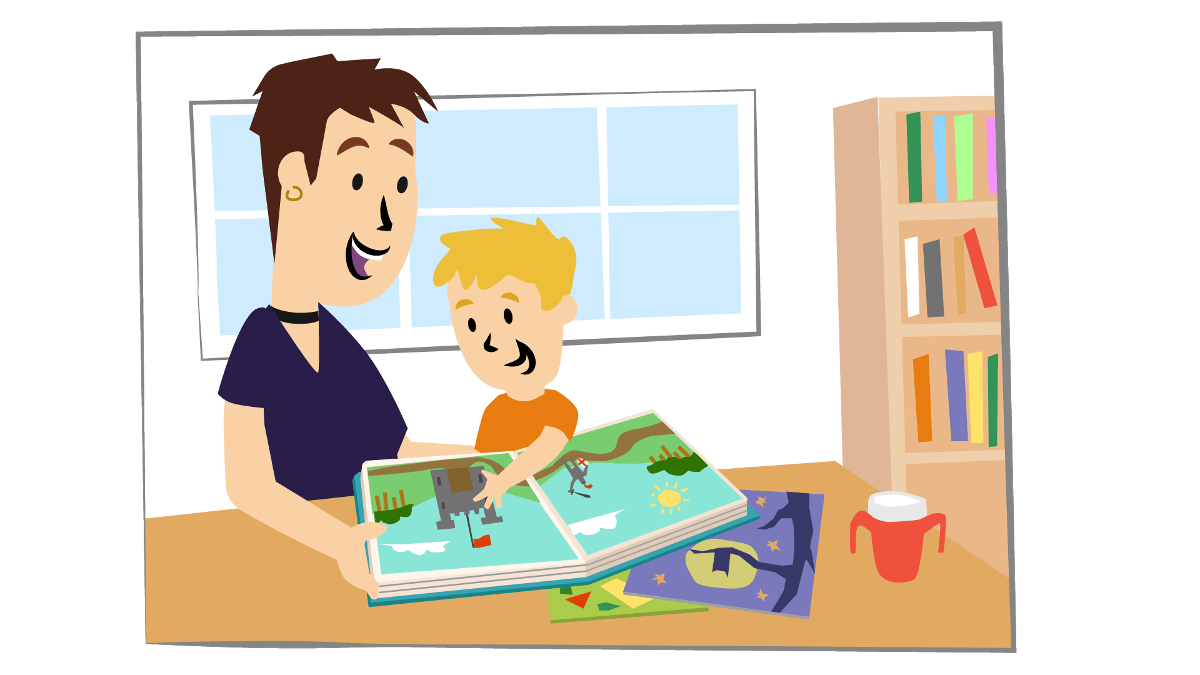
For little ones aged 0-5, try books with big pictures and just a few words. Black and white books with bold patterns are great for newborns. It helps to have a mix of rhyming books, stories, and books about things your child loves, like dinosaurs or favourite TV characters. If you want to share a bit of your own childhood, pick up an old favourite like The Very Hungry Caterpillar. Books with flaps, textures, or pop-ups are always a hit.
Especially as they grow, it’s beneficial to allow your child to choose what they want to read. You can always talk to your local library for specific book recommendations for different ages or interests. You can also find booklists for children under 6 years online, as well as booklists for 5-9 years and 9-12 years.
Engaging With Books
It’s a shame that so many of us feel unsure about how to get our children into books. Our main advice is: don’t overthink it. Just show your enthusiasm when you read aloud. Your child will pick up on your interest.
Click Here For More Tips...
- Find a quiet, comfortable spot with few distractions. This could be snuggled up on the sofa or in bed, for example.
- Don’t worry about reading the same story over and over. Young children love it, and it helps them learn how words fit together and connect to the story.
- Try to make reading together a happy, relaxed time for both of you:
- Allow your child to explore the book by holding it, turning the pages, and pointing at the pictures. As they grow, you can ask them to point to the book’s title and author.
- Talk about the pictures, ask questions like, “What do you see?” or “What do you think will happen next?” Consider what excites you about a story and reflect on it as you read. What imagery makes you smile, or what twists do you find thrilling? Share what you like about the book and how it makes you feel, and ask your child the same. Give them time to respond, even if it’s just a sound or a gesture. Noticing and responding to these little cues helps build their confidence to communicate.
- Point out the main characters in the pictures and pause to talk about them. Try linking things in the story to real life, like animals your child saw earlier that day.
- Spot words that rhyme and repeat them together.
- Try out different voices for the characters, make faces, wave your arms, and add silly sound effects.
- If you speak another language, you can use this too.
- You could even bring in toys that match the story to make reading time extra fun.
- Keep an eye on your child’s mood and stop when they’ve had enough.
It’s not about getting to the end of the book; just enjoy the quality time together and aim to:
- Bond with your child.
- Demonstrate positive behaviour and feelings towards books and reading.
Child Development & Well-being
Your child starts learning language from day one. Babies love the sound of your voice—it’s soothing and familiar. When you read stories, even very young children listen closely and start to link books with good feelings like calm and curiosity. Stories also help your child grow emotionally, boost their self-esteem, and teach them empathy. Hearing new words and ideas through books helps them express themselves and understand others. Reading together in these early years helps your child’s:
- Understanding of how words, phrases, and sentences are used and constructed.
- Cognitive skills, including memory, focus, and concentration.
- Emotional development. If your child struggles with change or uncertainty, there are also children’s books aimed at helping with managing worry, anxiety, and building resilience.
- Knowledge and understanding of their world.
- Imagination and creativity.
Every Child Is Unique...
Remember, every child is different and learns at their own pace. Focus on spending quality time together, in a low-pressure environment where you can:
- Encourage their interest in books and reading.
- Encourage their development. Use specific praise to acknowledge and describe the exact positive behaviour, growth, or effort your child has demonstrated.
School Readiness & Beyond
Reading isn’t just a skill to learn later at school. Your reading aloud introduces the cognitive skills they’ll need, as well as concepts like numbers, letters, and shapes. It can also help your child get ready for school, both socially and emotionally. There are even books about starting school, helping ease any worries your child might have about being apart from you.
The BooksTrust notes that shared reading often drops off once children start school. Reading for fun can get replaced by phonics practice, and many children enjoy reading less as they get older. That’s a real shame. It’s important not to see reading as mostly educational; it’s so much more than that. Reading opens up new ideas, words, and feelings that your child might not find anywhere else. Children who read for fun tend to do better at school and even have better mental health as they grow up. All great reasons to encourage your child to read for pleasure, right from the start and all through their school years.
Develop An Interest In Reading...
One way to keep them interested is to find books, comics, or magazines about things they already love, like their favourite topics or TV and film characters:
- Focus on reading as an enjoyable pastime.
- Look for reading materials that complement your child’s interests.
- Encourage reading over TV and mobile phone time. However, consider e-readers or apps on tablets as tools you can use. These may help bring books to life in a format they enjoy.
Libraries
Central Bedfordshire, Bedford, and Luton libraries frequently host storytelling sessions, crafts, and author visits to make reading fun, especially during the school holidays. Find more information about events and activities in Bedfordshire libraries here. They also have events like the Summer Reading Challenge to encourage children to read for fun.
Of course, there’s a huge range of books to choose from in-person and in their digital libraries. These include options for children with dyslexia, non-fiction lovers, audiobook fans, and even manga and graphic novels.

Taking The Lead
We’re our children’s first teachers, and a love of reading often starts with us. Sharing books early on is the first step. Keep in mind, as parents, we are role models. Let your child see you reading and enjoying books and other reading materials as well. Aim to acknowledge and praise your child’s engagement with reading materials. In their early years, it helps to try to make reading together a habit. This gets easier with practice and routine. But always remember, there’s no such thing as a perfect parent. Sometimes you will have setbacks or break the habit; we’re all just doing our best. The most important thing is to keep coming back to reading together.
Thank you to the Central Bedfordshire Council Libraries engagement team for helping us with this resource. To stay up to date with what’s going on at your local library in Central Bedfordshire, you can follow them on Facebook and Instagram.
They also offer a library app you can download, as well as a newsletter you can subscribe to.